Strengthening Youth Foundations In Disaster Risk Reduction: The Quezon City Youth Experience

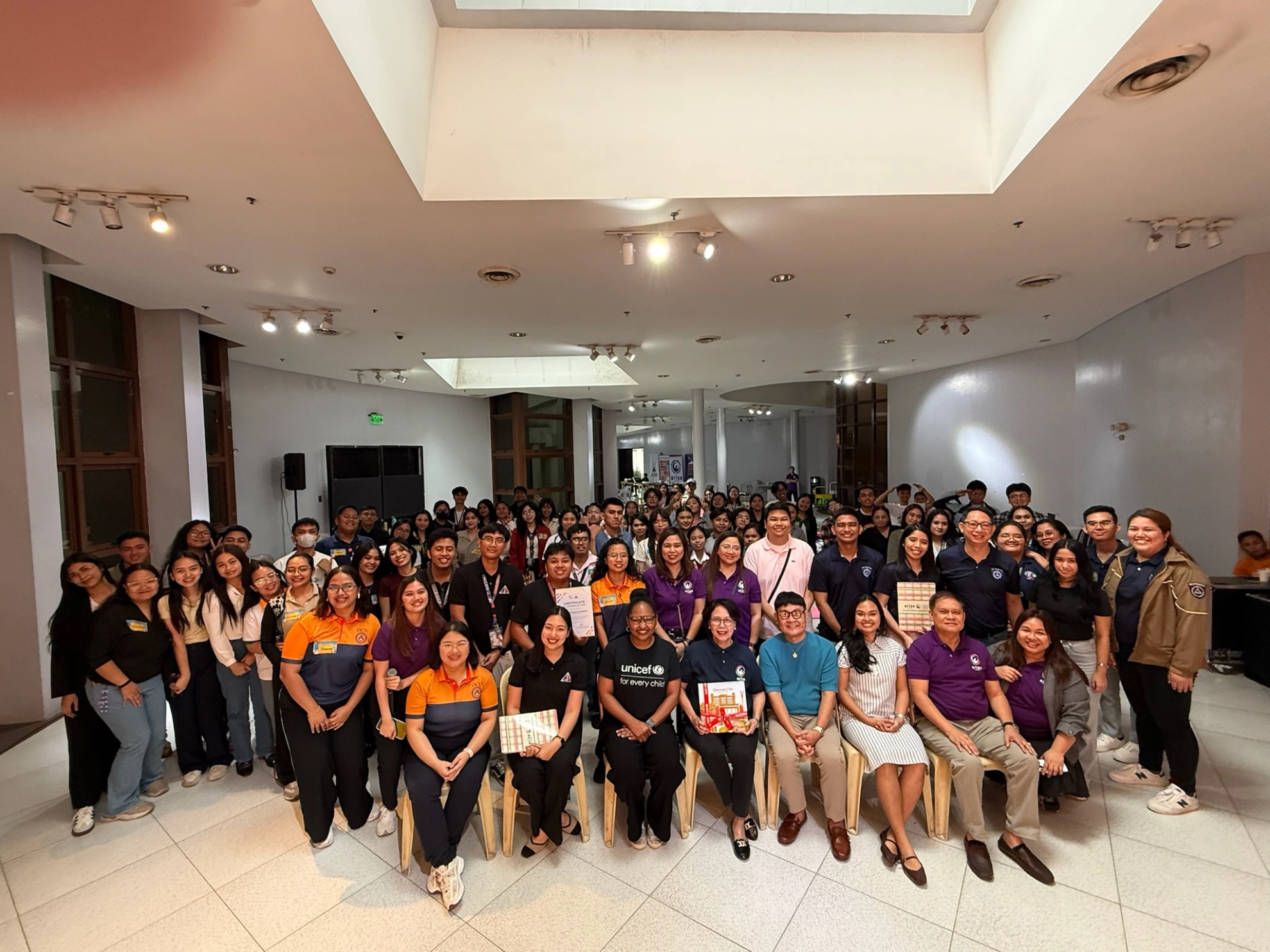
Investing in youth capacity is increasingly recognized as a critical component of sustainable disaster risk reduction (DRR). On 7 February 2026, 70 young leaders in Quezon City participated in Ready, Set, Resilient: Youth DRR Training – Batch 2, a foundational program designed to strengthen youth understanding of disaster risk concepts and frameworks.

This activity represents the second implementation of the initiative, following its initial rollout in Pasig City in 2025. The program forms part of a broader strategy to institutionalize structured youth engagement within local disaster risk reduction (DRR) systems. The training emphasized foundational competencies rather than advanced technical specialization. Core modules covered disaster risk drivers, hazard exposure and vulnerability concepts, the disaster risk management cycle, and the national policy framework governing DRR in the Philippines.

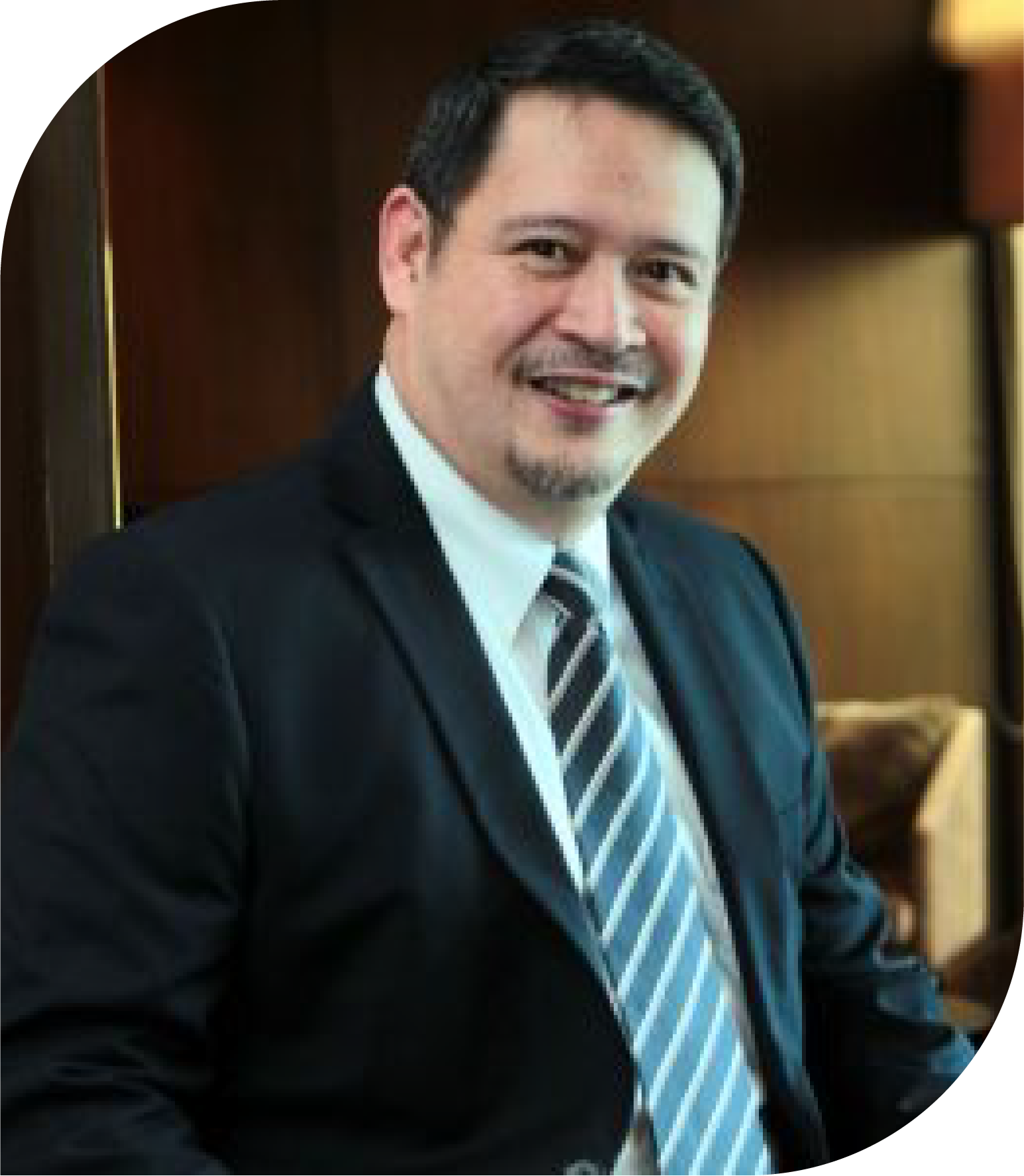
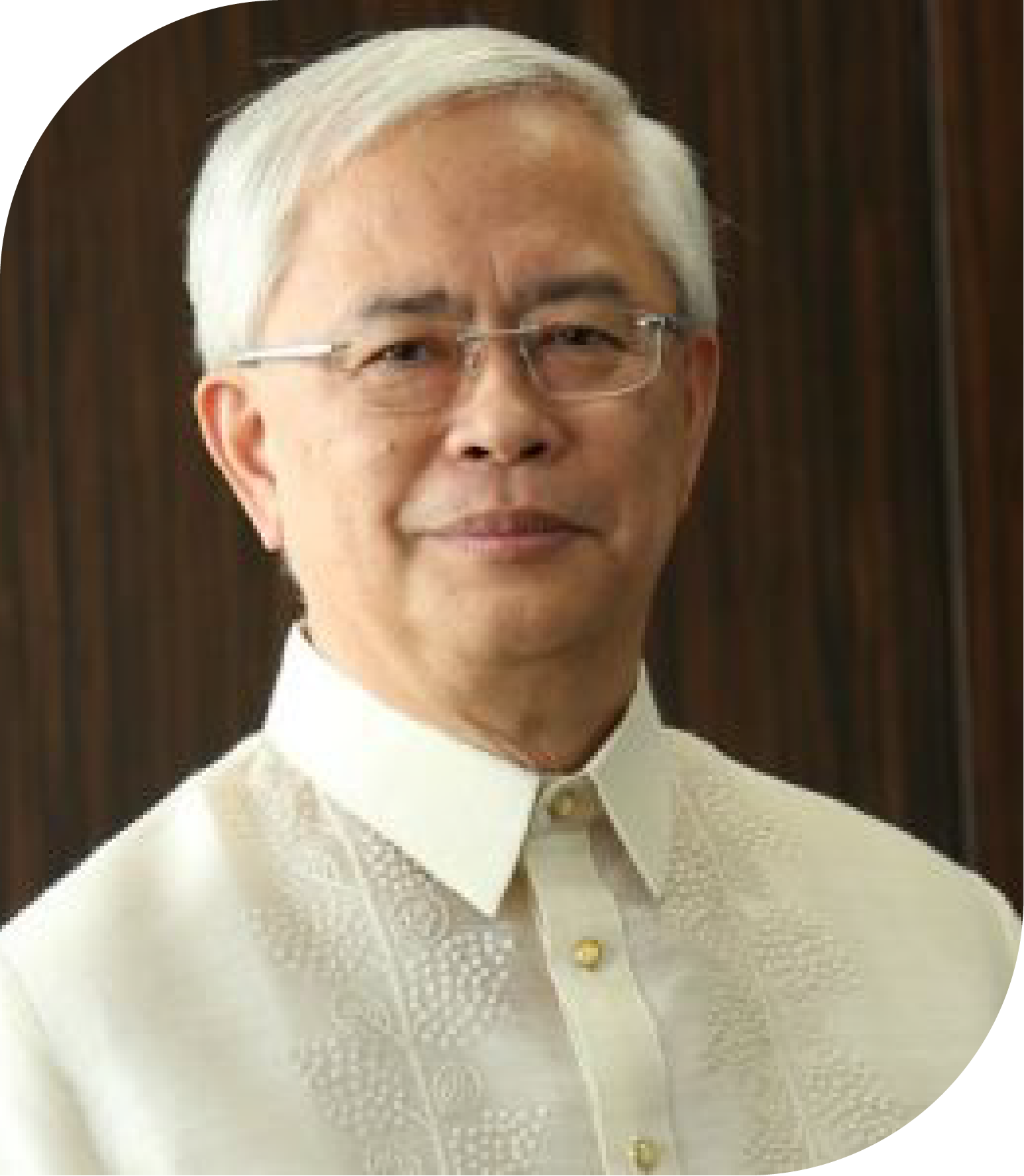
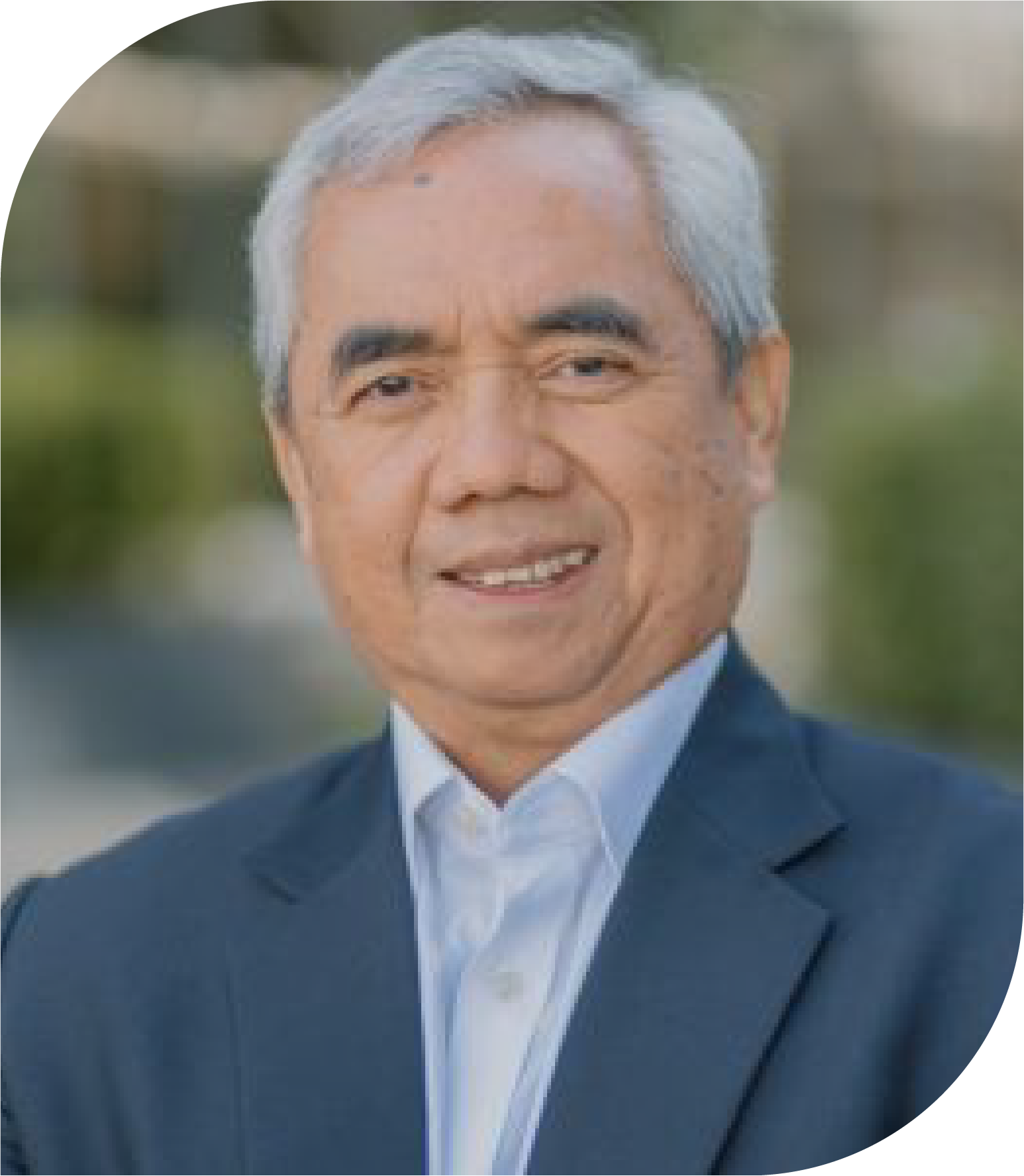
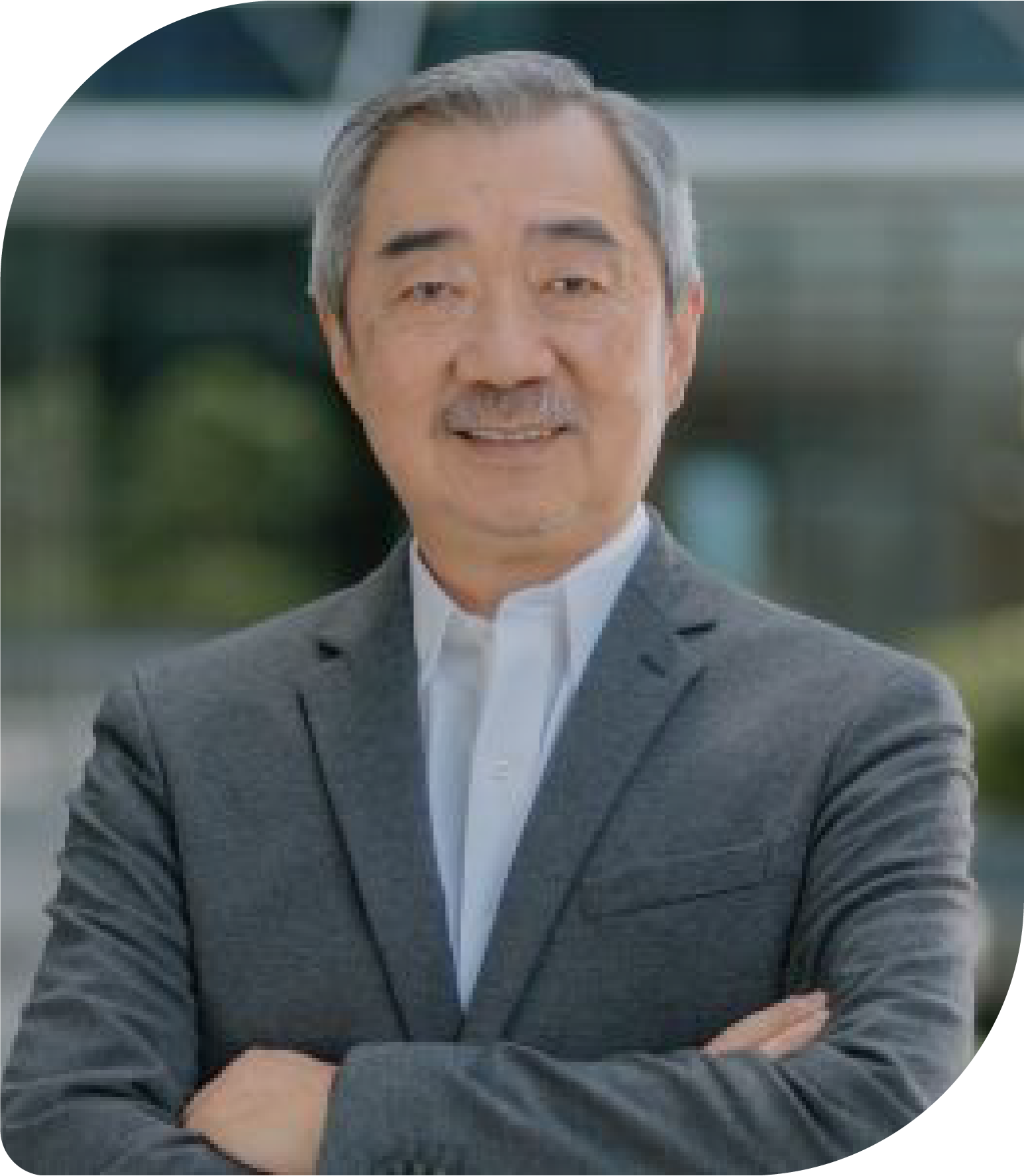
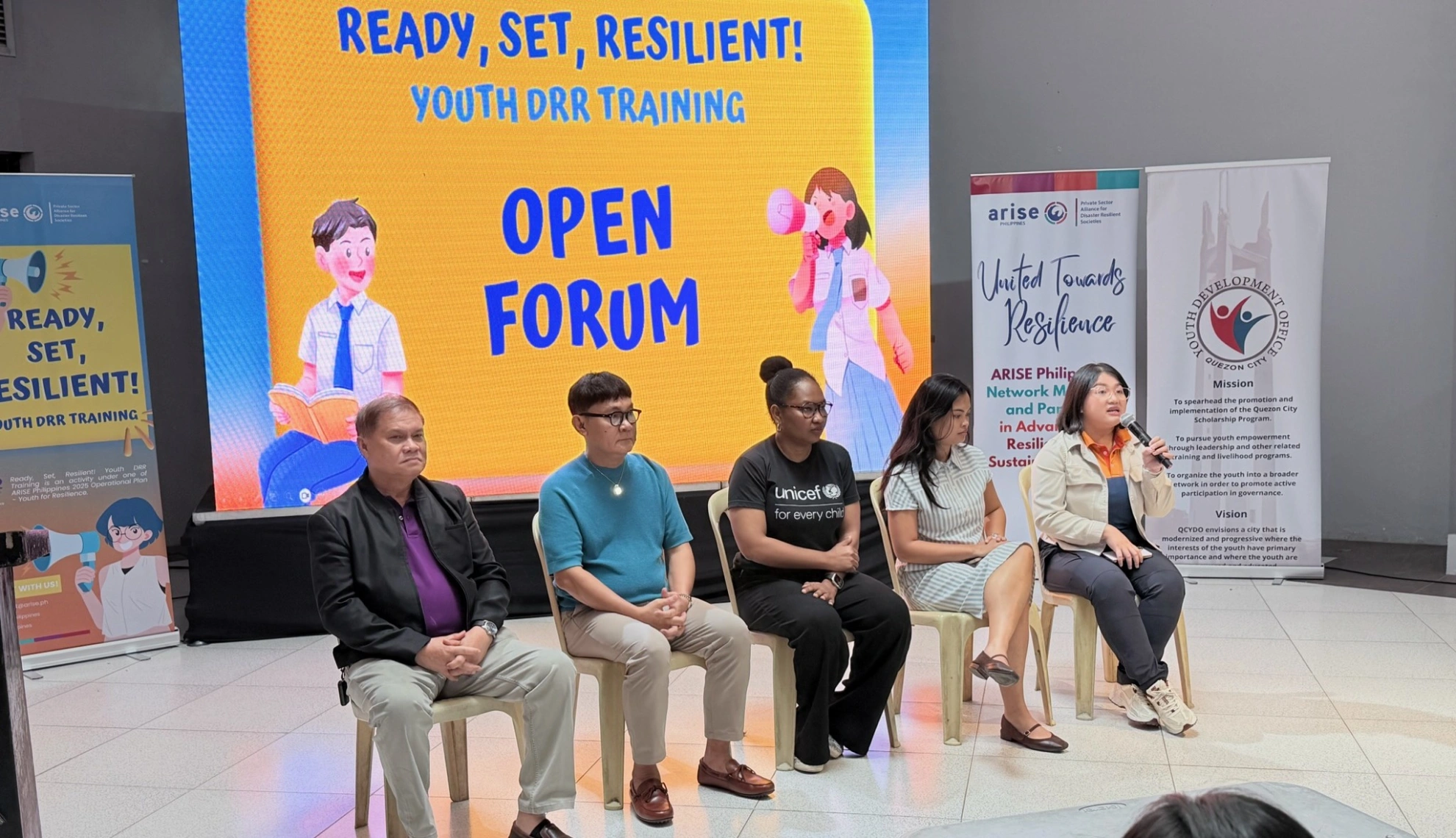
Youth participants engage in an open forum with technical experts (from left to right): Dr. Joseph Bacareza of ARISE Philippines, Mr. Jun Angeles of the National Youth Commission, Ms. Kamille Ruiz of UNICEF Philippines, Ms. Koko Salazar of the Kabataang Resilient Network, and Ms. Karla Aldea of the Office of Civil Defense – NCR.
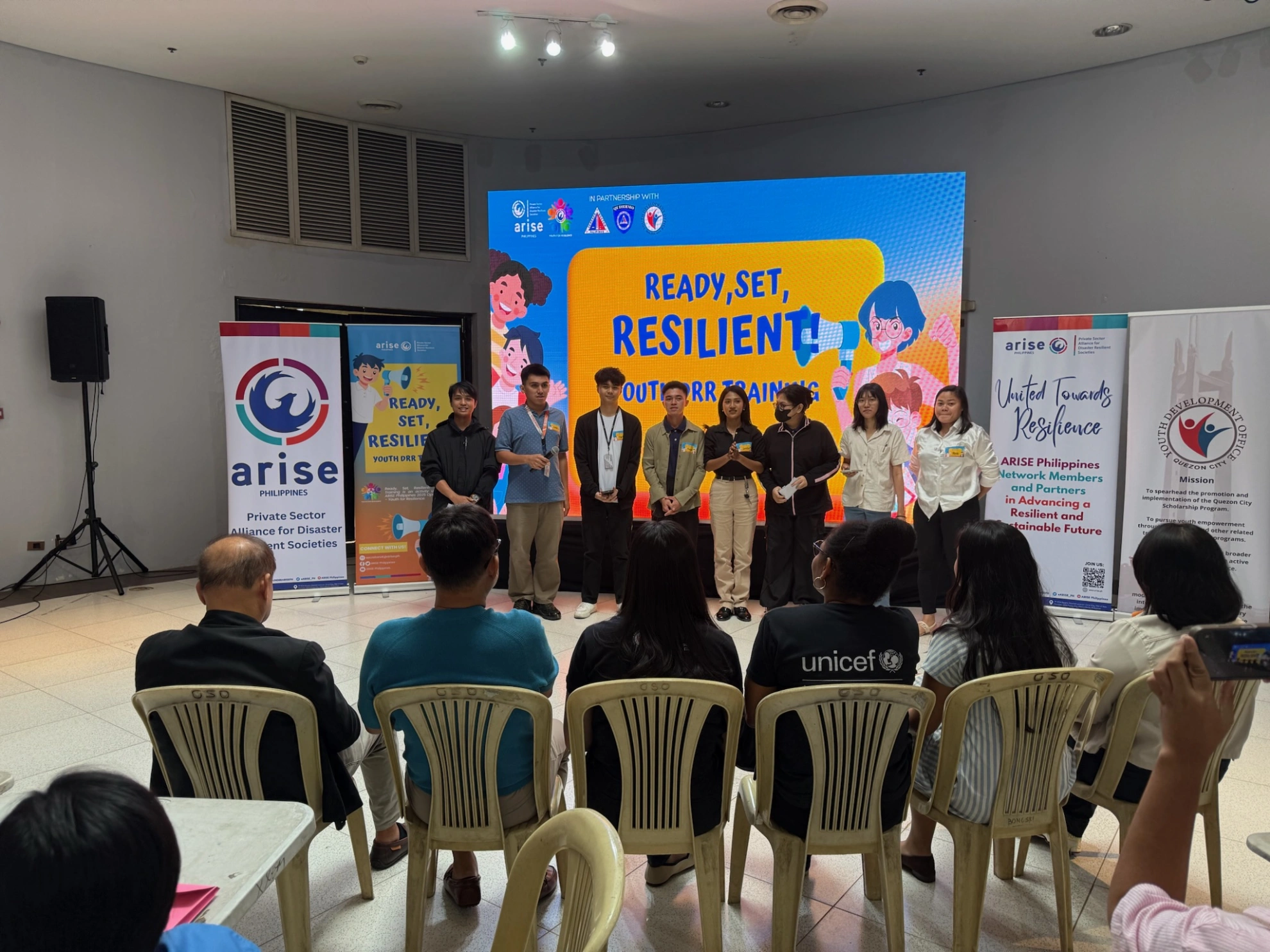
Youth participants deliver elevator pitches presenting localized disaster risk challenges and their proposed DRR solutions during the program’s pitch session.


The program aligns with ARISE Philippines’ work themes on capacity building for resilience and sustainability, as well as multi-stakeholder collaboration. Implementation was undertaken in partnership with the Quezon City Government, specifically the Quezon City Disaster Risk Reduction and Management Office (QCDRRMO) and the Quezon City Youth Development Office (QCYDO). The initiative illustrates a local governance model that integrates youth capacity development into institutional DRR processes.

Grounding 70 young leaders in core DRR principles contributes to building a risk-informed generation capable of supporting long-term resilience efforts. As disaster and climate risks intensify, foundational capacity-building among youth remains an essential investment in strengthening local disaster risk governance systems.

Further iterations of the program aim to deepen engagement and expand youth participation across additional local government units.

Scroll to top